Leave Your Message
China remains a major sourcing base for furniture, including the Tv Cabinet segment. Its advantages include mature supply chains, broad material choices, and flexible production volumes. The China National Furniture Association regularly reports on the country’s large furniture manufacturing base and export capacity. CSIL’s World Furniture Outlook also tracks China as one of the world’s most influential furniture markets. These sources provide useful context, but they do not identify the best supplier automatically.
Buyer requirements are changing. A modern Tv Cabinet must support larger screens, gaming devices, soundbars, and hidden cable systems. Global buyers should examine panel thickness, edge-banding quality, load-bearing tests, moisture resistance, and packaging performance. Factory experience matters here. A supplier that has shipped flat-packed cabinets for years may understand carton compression, corner protection, and assembly instructions better than a cheaper newcomer.
No ranking is perfect.
This guide introduces leading Chinese manufacturers for international buyers. It considers production capability, customization, export experience, quality controls, certifications, and communication practices. Evidence should come from factory audits, product samples, inspection records, and verified customer references. A polished showroom can still hide weak hardware or unstable finishing. That is worth remembering. Buyers should compare quotations carefully, because material grade, testing scope, packaging, and after-sales support may differ significantly. The strongest supplier is not always the lowest-priced one. It is the manufacturer that can deliver consistent cabinets, clear documentation, dependable lead times, and practical solutions for each target market.
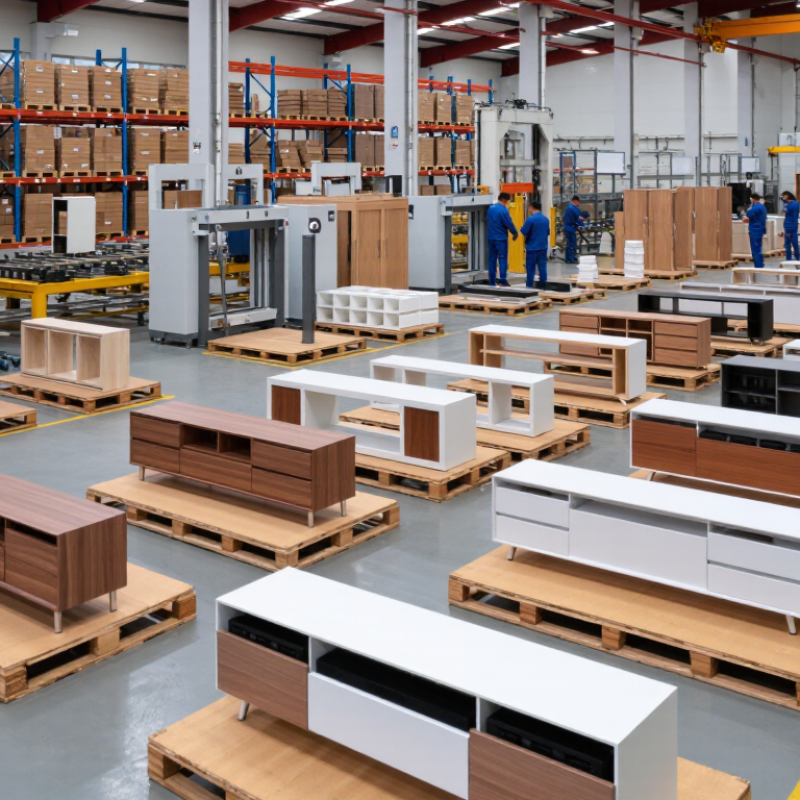
China’s TV cabinet manufacturing industry serves global buyers, from online furniture sellers to hospitality projects. Production is concentrated in mature furniture regions, where suppliers combine panel processing, metalwork, finishing, and export packing. This structure supports flexible order quantities and varied designs. Yet capacity alone does not guarantee consistency.
Typical cabinets use engineered wood, solid timber accents, tempered glass, aluminum, or powder-coated steel. Buyers should request material specifications, edge-banding details, load ratings, and surface test results. A sample should match the approved color under neutral light. Check drawer alignment, hinge movement, cable openings, and wall-clearance measurements. Small details matter. Packaging also deserves attention. Corner guards, foam spacing, and carton drop tests can reduce damage during long transport. However, protective packaging may increase volume and freight costs.
Reliable sourcing depends on more than a polished showroom. Factory audits can review equipment, worker procedures, quality records, and corrective-action habits. Pre-shipment inspections should verify dimensions, hardware, finish, labeling, and carton marks against written specifications. Buyers also need clear agreements on tolerances, replacement parts, lead times, and payment milestones. Some suppliers communicate well but document poorly. Others provide excellent samples yet struggle with repeat production. Color matching and assembly instructions still cause avoidable mistakes. A supplier’s response to these problems often reveals more than a sales presentation.
A practical industry reference for international sourcing, product development, and supplier evaluation
| Industry Dimension | Reference Data | Relevance for Global Buyers |
|---|---|---|
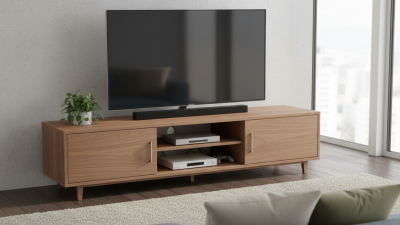
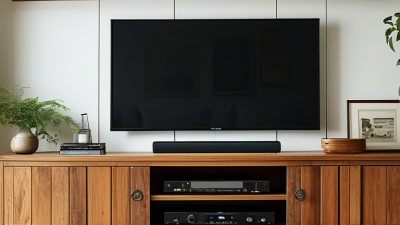
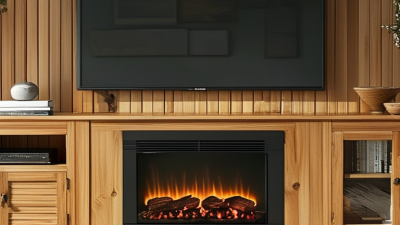
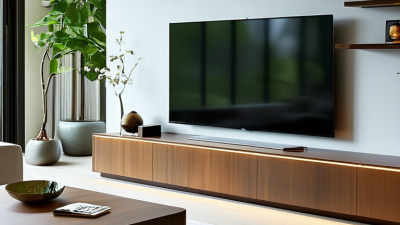
| Core Product Types | Floor-standing cabinets, wall-mounted cabinets, modular media units, lowboard TV consoles, and storage combinations. | Buyers can select the structure according to room layout, wall construction, storage requirements, and local consumer preferences. |
| Common Product Widths | Approximately 1,200–2,400 mm for many residential TV cabinets; customized widths are also widely produced. | The cabinet should normally be wider than the television base. Final dimensions should be matched to the target TV sizes and retail channel. |
| Typical Floor-Standing Height | Common lowboard height is approximately 400–600 mm, although taller storage designs are also available. | Height affects viewing comfort, packaging size, anti-tip design, and compatibility with soundbars or center speakers. |
| Main Board Materials | Particleboard, MDF, plywood, solid wood, tempered glass, steel, and aluminum are commonly used according to design and price level. | Material selection influences strength, moisture resistance, surface quality, formaldehyde emissions, weight, and shipping cost. |
| Common Surface Finishes | Melamine, PVC foil, PET film, acrylic, UV lacquer, powder coating, natural veneer, and water-based or solvent-based paint finishes. | The finish determines appearance, scratch resistance, cleaning requirements, production cost, and compliance documentation. |
| Cable Management | Rear cable holes, open back panels, removable backboards, ventilation openings, and cable-routing channels are standard design options. | Proper cable routing improves installation, airflow, product appearance, and compatibility with game consoles, routers, and sound systems. |
| Load and Stability Requirements | Load capacity depends on board thickness, span, hardware, support structure, and wall-fixing method; it must be confirmed through product-specific testing. | Buyers should request static-load, durability, tip-over, and wall-mount test results instead of relying on a generic load claim. |
| Manufacturing Regions | Major Chinese furniture manufacturing activity is concentrated in provinces and industrial clusters including Guangdong, Zhejiang, Jiangsu, Fujian, and Sichuan. | Regional sourcing can provide access to different supplier strengths, including panel furniture, hardware, metal fabrication, upholstery, and solid-wood production. |
| Production Processes | Panel cutting, edge banding, CNC drilling, surface lamination, painting, hardware assembly, inspection, and carton packing are common processes. | A supplier with integrated cutting, edge-banding, finishing, and assembly capabilities may offer better consistency and shorter production coordination cycles. |
| Flat-Pack Capability | Knock-down and ready-to-assemble designs are widely used for export furniture because they reduce cubic volume and simplify container loading. | Flat-pack construction can lower freight cost, but buyers should verify assembly time, hardware quality, instruction clarity, and carton protection. |
| Export Packaging | Typical packaging includes corrugated cartons, expanded polyethylene or foam protection, corner guards, protective films, and palletized loading where required. | Packaging should be tested for vibration, compression, edge impact, moisture exposure, and repeated handling during international transportation. |
| Trade Classification | Furniture customs classification depends mainly on construction and material. Wooden furniture is commonly considered under HS heading 9403, with the final code determined by the importing country. | Importers should confirm the exact HS code, duty rate, labeling rules, and customs requirements with the destination-country customs authority. |
| Material Compliance | Common buyer requirements include formaldehyde-emission documentation for wood-based panels, restricted-substance declarations, paint or coating safety records, and packaging-material compliance. | Requirements vary by destination market. Buyers should define the applicable regulations before approving materials or starting mass production. |
| Customization Scope | Customization may cover dimensions, colors, finishes, handles, doors, drawers, legs, cable openings, LED lighting, logos, packaging, and assembly instructions. | A detailed technical drawing and approved golden sample are essential for controlling color, dimensions, hardware placement, and final functionality. |
| Recommended Supplier Evaluation | Evaluate material traceability, production equipment, quality-control procedures, sample consistency, packaging tests, export experience, and after-sales response. | A complete evaluation reduces risks related to warping, edge lifting, color variation, missing hardware, transit damage, and inconsistent repeat orders. |