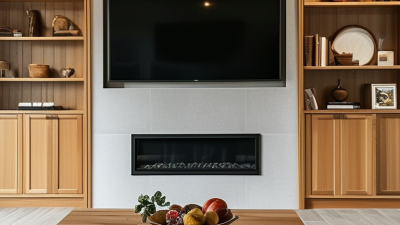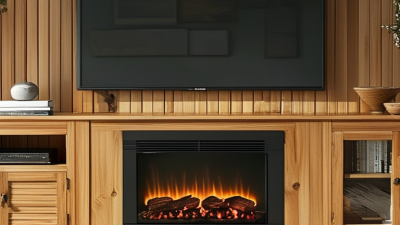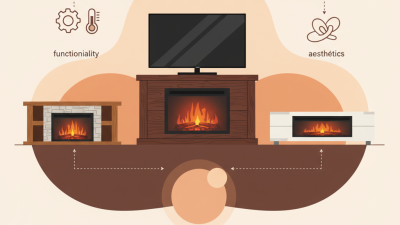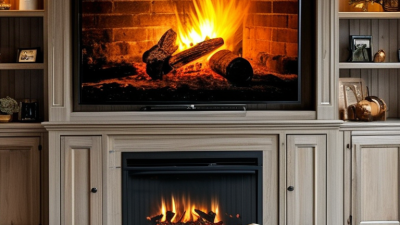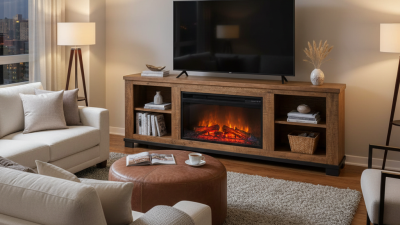
A Tv Stand With Fireplace can become the visual anchor of a living room, but appearance should not lead every decision. The right model must balance heat performance, television safety, storage, room scale, and electrical requirements. A 60-inch cabinet may look elegant online, yet overwhelm a narrow apartment wall. Measure the wall, viewing distance, outlet location, and television width before comparing finishes.
Industry data supports a careful approach. The U.S. Energy Information Administration reports that space heating remains one of the largest sources of residential energy use in American homes. That makes efficiency and operating cost more important than a decorative flame effect alone. The National Fire Protection Association’s Home Heating Equipment Fires report recorded approximately 48,530 residential heating fires annually from 2016 to 2020. Electric fireplace inserts usually avoid combustion emissions, but they still require correct clearance, stable placement, and an appropriate circuit.
Safety first.
This guide uses manufacturer specifications, recognized safety guidance, and practical room-planning experience to explain seven buying considerations. Look for clear wattage information, overheat protection, realistic installation instructions, and certification from a recognized testing body, such as UL Solutions or ETL-listed laboratories, where applicable. Retail descriptions can be vague. I have also found that “fits most TVs” often hides important measurements, especially base width and ventilation space. That is worth questioning. The following tips will help you compare heat output, construction quality, storage design, controls, energy use, and long-term value without being distracted by glossy photography.
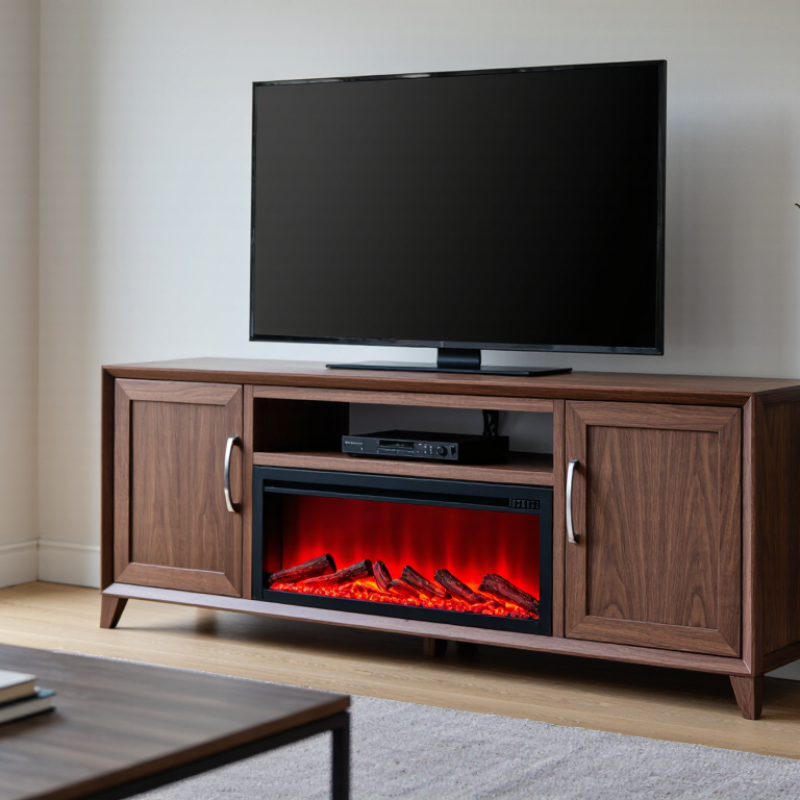
Define the room before choosing the furniture. Measure wall width, ceiling height, door swings, and walking clearance. Mark the stand’s footprint with painter’s tape. It reveals cramped corners quickly. The 2024 Houzz U.S. Kitchen Trends Study found that homeowners increasingly prioritize functional storage and efficient layouts. That principle applies here. Choose drawers for remotes, consoles, and cables, while leaving ventilation space behind equipment. Do not let the fireplace become the room’s only visual anchor. A low, wide stand usually suits open layouts. A taller unit may overwhelm a compact room.
Viewing position matters more than decoration. SMPTE Engineering Guideline EG 18-1994 recommends a horizontal viewing angle near 30 degrees for immersive cinema viewing. Place the main seat within that range. Avoid mounting the screen so high that your neck tilts upward. Test the height with cardboard before installation. The stand should also support the television’s weight and base width. According to ENERGY STAR guidance, certified televisions use about 25% less energy than standard models, so consider operating costs too. NFPA’s Home Structure Fires research reports that heating equipment causes roughly 12% of reported home structure fires in the United States. Follow the fireplace manual’s clearance rules precisely. I would not place books, curtains, or electronics directly above the heat outlet. Some layouts look attractive but perform poorly after one winter.
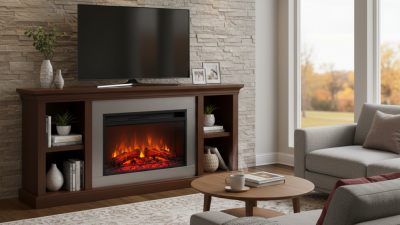
Choose the fireplace type before judging its appearance. Electric models are usually simpler for apartments because they need no combustion vent. A 1,500-watt heater produces about 5,100 Btu per hour. The U.S. Department of Energy notes that electric resistance heating converts electricity to heat at the point of use. Gas models can deliver stronger heat, but they require correct venting, clearances, and qualified installation. Ventless options deserve extra caution because local rules and indoor-air conditions differ.
Heat output must match the room, not the advertising photograph. Check the heater’s wattage, Btu rating, thermostat range, and stated room size. The square-footage promise is often too neat. Drafty windows, high ceilings, and poor insulation reduce real performance. I would measure the room and compare the rating with local heating needs. Oversizing can create uncomfortable temperature swings and waste electricity.
Safety features matter more than flame effects. Look for automatic overheat protection, a cool-touch cabinet, a stable base, and certification from a recognized testing laboratory. Keep the television within the manufacturer’s clearance limits. Never block air vents or place cords beneath the stand. NFPA’s Heating Equipment Fires report recorded an average of 44,210 U.S. home heating fires annually from 2016 to 2020, causing 480 deaths and 1,370 injuries. That figure is sobering. A wall outlet, rather than an extension cord, is the safer choice. 亚洲欧美:semicolon
Choosing a TV stand with a fireplace starts with measurements, not appearance. Measure the wall, viewing distance, and television width. The stand should be wider than the screen, leaving visible space on both sides. A 55-inch television often needs a stand at least 60 inches wide. Check the television’s actual weight, including its base. Then compare it with the stand’s rated capacity. Leave a generous margin.
Do not ignore the fireplace insert. Its heat output, ventilation, and electrical requirements affect the stand’s safe placement. ENERGY STAR television performance data indicates certified models use about 25% less energy than conventional models. Lower television energy use does not remove fireplace clearance requirements. Follow the manufacturer’s stated distances. Keep cables away from warm vents.
Storage should match real habits. A soundbar needs open space, while a game console needs airflow around its vents. Deep cabinets can hide wires, but cramped shelves trap heat and dust. I once underestimated the space needed for a power strip. It made the finished setup look untidy. Measure every device before choosing shelves or drawers. Also secure the unit when possible. The U.S. Consumer Product Safety Commission reported 71,300 emergency-department injuries and 217 deaths from furniture, television, and appliance tip-overs between 2018 and 2022. A wider base, balanced storage, and proper anchoring deserve attention. Beautiful, but stable.
Measure the wall, viewing distance, and television width before shopping. Leave several inches around the screen for ventilation. Solid wood feels warm and durable, but it can be heavy and costly. Engineered wood offers consistent panels and easier handling. Metal adds a clean, modern look, though it may show fingerprints and scratches. Glass shelves look open, but they demand frequent cleaning. Choose a finish that matches your room, not only current trends.
Check the fireplace’s heat direction and safety clearance carefully. A front-vented model may protect nearby electronics better than a top-vented design. Compare styles by function: closed cabinets hide clutter, while open shelving improves access. Look for adjustable shelves and strong hinges. Small cable openings matter. They should align with your outlets and devices, not sit behind the fireplace. Use labeled ties, separate power and signal cables, and leave gentle curves instead of tight bends. It makes future changes less frustrating.
Maintenance should fit your routine. Wipe wood with a slightly damp cloth, clean glass with a non-abrasive product, and remove dust from vents regularly. Never block air inlets with baskets or decorations. I once chose a beautiful stand with poor cable access, and installation became unnecessarily difficult. That mistake still influences my choices. Check weight limits, assembly instructions, and the stability of the finished unit. A level floor helps, but it cannot fix weak construction. Style matters. Safe airflow matters more.
Choosing a TV stand with a fireplace is not just about the sticker price. A realistic budget should cover the stand, delivery, assembly, wall anchoring, and possible electrical work. Include a small reserve for missing hardware or unexpected adjustments. If the unit produces heat, check its energy use and expected operating cost. Leave room in your budget.
I once underestimated installation space and had to reposition a heavy cabinet near the wall. Before ordering, measure the wall, floor area, doorway, and stairway. Compare those measurements with the stand’s full dimensions, not just its listed width. Check the required clearance around the fireplace and television. The fireplace should never block vents or sit against unsuitable materials. Also confirm the outlet location and circuit capacity. A floor with uneven boards may need leveling. That detail matters.
Read the installation instructions before purchase, even when assembly appears simple. Some models require two adults, special anchors, or professional electrical assistance. Ask whether the unit can be secured to your wall type. If instructions seem unclear, contact the seller or a licensed electrician before installation. I would also inspect cables for heat exposure and keep them away from the fireplace opening. It is tempting to improvise. Rechecking the requirements is safer than correcting an expensive mistake.