In today’s fast-paced world, the bedroom is evolving into a multifunctional sanctuary. Smart nightstands have emerged as critical components of modern bedrooms. According to a recent market analysis by Statista, the demand for smart furniture, including nightstands, is expected to reach $38 billion by 2025. These nightstands integrate technology to enhance convenience and streamline the user experience.
Smart nightstands offer functionalities beyond simple storage. They often come equipped with wireless charging stations, Bluetooth speakers, and even ambient lighting. These features not only add aesthetic value but also cater to the needs of tech-savvy consumers. However, their affordability can be a concern, as high-tech options can be cost-prohibitive for many.
While the integration of technology into furniture is promising, it raises questions about usability. Many users have reported complexities in installation and operation. Balancing innovation with simplicity remains a challenge in the smart nightstand market. Despite these challenges, their increasing prevalence demonstrates a shift in how we think about bedroom design. As we move forward, it’s essential to evaluate these new features thoughtfully.
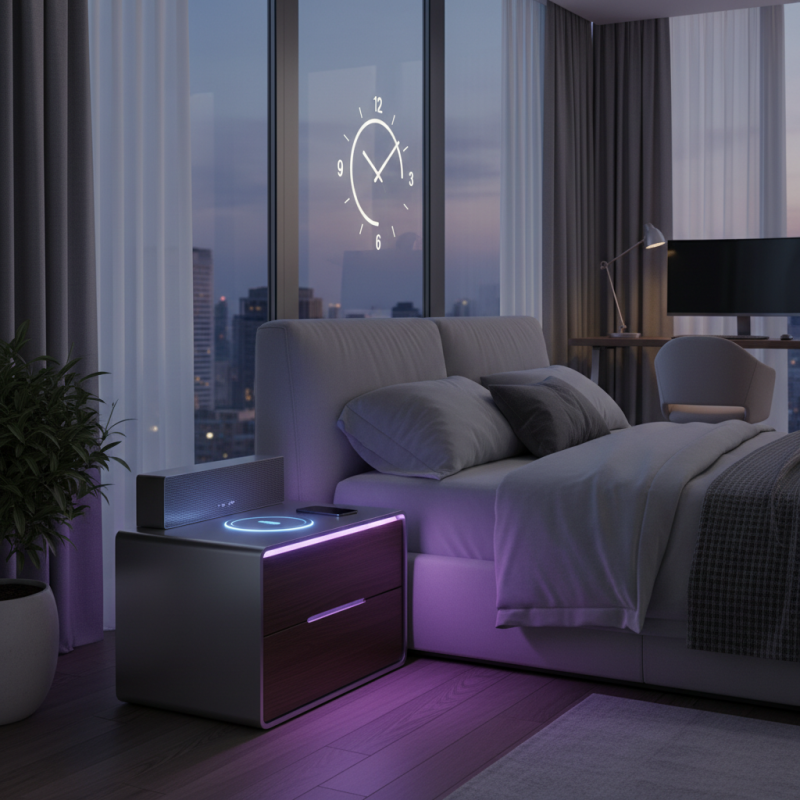
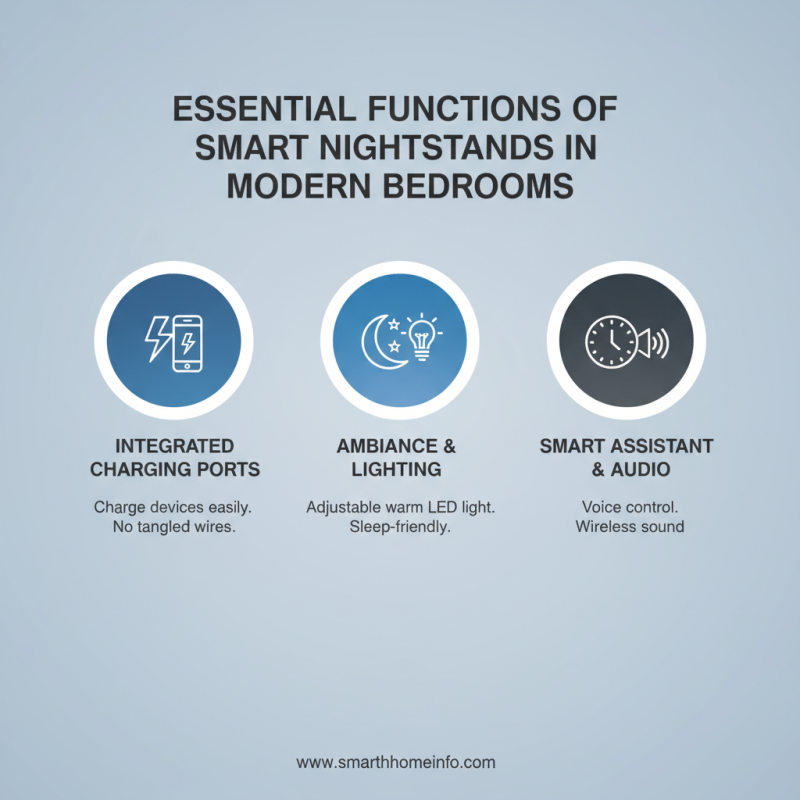
Smart nightstands are becoming essential in modern bedrooms. They offer a range of functions that enhance convenience and improve the overall atmosphere of the space. One primary feature is integrated charging ports. This allows easy access for charging devices overnight. No more tangled wires on the floor!
Another crucial function is automation. Many smart nightstands come equipped with ambient lighting. This can create a calming environment for relaxation. Some models even feature adjustable bedside lamps that can change color and brightness. It’s like having a personal lighting designer at your service.
Tips: When selecting a smart nightstand, consider your specific needs. Think about how much charging space you truly require. Also, assess if you prefer voice-activated controls or manual ones. Reflection is key; not all features may suit your lifestyle. Choose wisely to ensure the perfect blend of functionality and style in your bedroom.
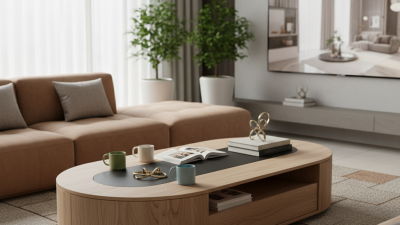
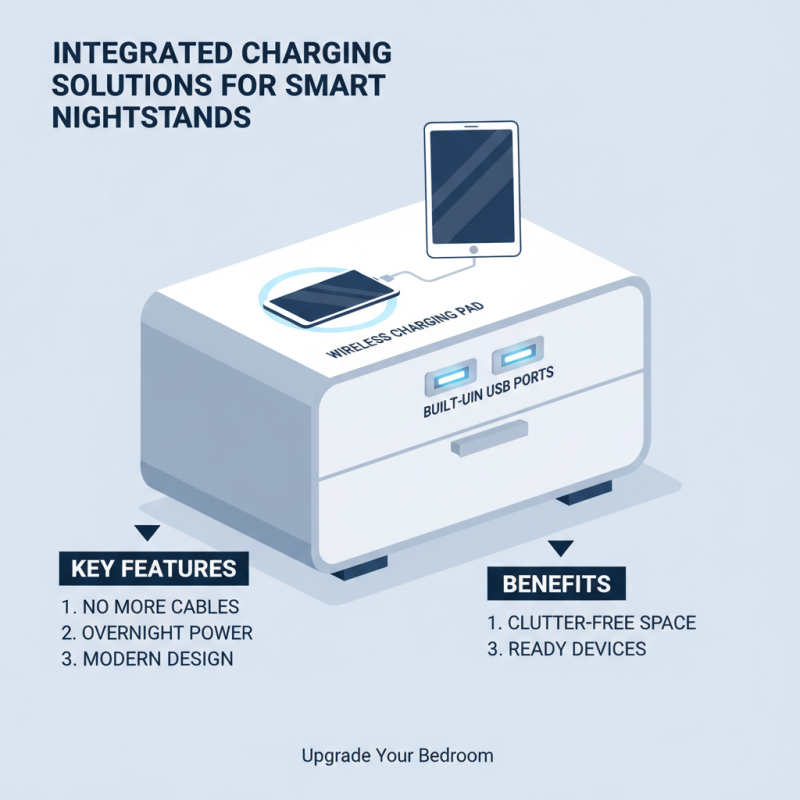
Smart nightstands have become essential in modern bedrooms. One key feature is integrated charging solutions. These nightstands often come with built-in USB ports or wireless charging pads. This eliminates the need for messy cords. You can easily charge your devices overnight.
Imagine waking up to a fully charged phone. It’s convenient and efficient. However, not all designs meet user needs. Some charge too slowly, leaving devices only partially powered. Others may lack compatibility with various gadgets. It’s essential to assess these features based on your habits.
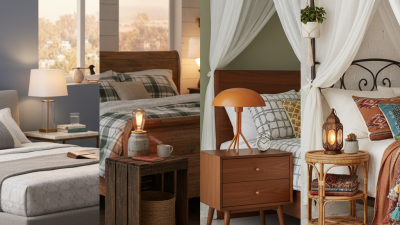
Additionally, the aesthetics of a nightstand matter. A sleek design can enhance your bedroom decor. However, functionality shouldn't be compromised for style. Look for a balance. Consider if the charging solution is too prominent. A hidden port can keep the look clean. When choosing a smart nightstand, think about your specific needs and preferences.
Smart nightstands are becoming essential for modern bedrooms, particularly with their lighting options. Ambient lighting creates a soothing atmosphere, which is perfect for winding down after a long day. This type of light is soft and indirect, casting a gentle glow that enhances relaxation. It’s often adjustable, allowing users to set the perfect brightness for their mood.
Task lighting is equally important. It serves a specific purpose, like reading a book or working on a puzzle. Bright LED lights can be easily directed, helping to reduce eye strain. Many smart nightstands offer adjustable colors, letting users choose between warm and cool tones. This flexibility caters to individual needs and preferences.
Tips: Consider dimmable lights for better control. Warm lights are ideal for evenings. Don't forget to test different angles for task lighting to find what works best for you. Assess your current lighting setup and imagine how changes can improve functionality. Reflect on whether your space feels inviting and comfortable or if there's room for improvement.
| Feature | Description | Benefits | Example Use Case |
|---|---|---|---|
| Ambient Lighting | Soft, diffused lighting to create a calming atmosphere. | Improves mood, promotes relaxation, and reduces eye strain. | Ideal for reading or winding down before sleep. |
| Task Lighting | Focused lighting for specific tasks like reading or working. | Enhances visibility, improves productivity, and reduces shadows. | Perfect for nighttime reading without disturbing others. |
| Smartphone Charging | Built-in wireless charging pads or USB ports. | Convenient access to power and reduces clutter from cables. | Charge devices overnight without extra chargers on the table. |
| Voice Control | Integration with smart assistants like Alexa or Google Assistant. | Hands-free operation for lighting and other connected devices. | Adjust lighting or play music just by using voice commands. |
| Sleep Tracking | Monitors sleep patterns and offers insights for better rest. | Helps improve sleep quality and optimize bedtime routines. | Provides feedback on sleep cycles to adjust sleeping habits. |
Smart nightstands are becoming essential for modern bedrooms, bringing advanced health monitoring capabilities.
Sleep tracking is a standout feature. Research indicates that 70% of adults experience sleep issues, which can lead to serious health complications. A nightstand equipped with sleep tracking features can help users identify patterns in their sleep. These devices often analyze sleep cycles, providing insights into REM and deep sleep stages.
Additionally, some nightstands offer heart rate monitoring and stress tracking. A study published by the National Sleep Foundation shows that stress can significantly affect sleep quality. Metrics from these smart devices help users understand their sleeping environment. Factors like room temperature and noise levels can be monitored, offering a full picture of sleep quality. Yet, while technology can provide valuable data, it can also lead to over-reliance. Users may obsess over numbers rather than focus on holistic health practices.
While these innovative features enhance our understanding of sleep, there are drawbacks. For instance, not all devices are equally accurate. Discrepancies in data may confuse rather than clarify. Users must remain critical of the insights provided and recognize that individual lifestyle factors play a crucial role. Data shows that 50% of sleep challenges stem from habits and routines rather than purely from physical conditions. Thus, integrating technology with mindful practices is vital for a balanced approach to health.
Smart nightstands have evolved with the rise of voice control and smart home integration. According to a 2022 study by Statista, around 30% of households in the U.S. have at least one smart device. This growth reflects a shift in consumer preferences towards convenience and connectivity in their bedrooms.
Voice control features are essential in modern nightstands. They allow users to adjust lighting, play music, or check their calendars hands-free. A report from Technavio highlights that the smart home market is expected to grow by 25% from 2023 to 2027. This statistic shows the demand for seamless integration within smart bedrooms. However, some users still face challenges with connectivity and compatibility between devices.
Incorporating smart home systems often requires careful planning. Not all products work together flawlessly. For instance, software updates can lead to disruptions. Additionally, the reliance on voice commands might not always suit every individual. Some might feel uncomfortable using voice control in private spaces. While smart nightstands enhance convenience, there are nuances that users must navigate.