An Electric Fireplace Tv Console combines three practical features in one living-room centerpiece: media storage, television support, and supplemental electric heat. It usually includes a mantel-style cabinet, shelves, cable openings, and an illuminated firebox. The flame effect works without real wood or smoke. Many models also offer adjustable brightness, flame colors, timers, and remote controls.
“An electric fireplace should support the room, not dominate it,” says Jason Phillips, a senior product designer specializing in electric fireplace furniture. “The best console balances television height, heat control, storage, and visual comfort.” This principle matters when choosing a unit for daily use. A console that looks attractive may still create glare, block sound, or place the screen too high. Measure the wall carefully. Check the television width. Leave space for ventilation and cable access.
Real-world details reveal the difference. A shallow console may suit a compact apartment, while a wider model can anchor a large sectional. Closed cabinets can hide game systems and streaming devices. Open shelves keep remotes and speakers within reach. Some units feel warmer because of their lighting, not their heat output. That distinction is easy to miss.
Buyers should also inspect the heating area, electrical requirements, thermostat range, and safety certification. Heat should remain optional. You may want the flames during summer without warming the room. The furniture may arrive in several heavy boxes, and assembly can take longer than expected. That is not a dealbreaker, but it deserves honest planning. A careful comparison helps you choose comfort, storage, and style without treating one feature as the whole answer.
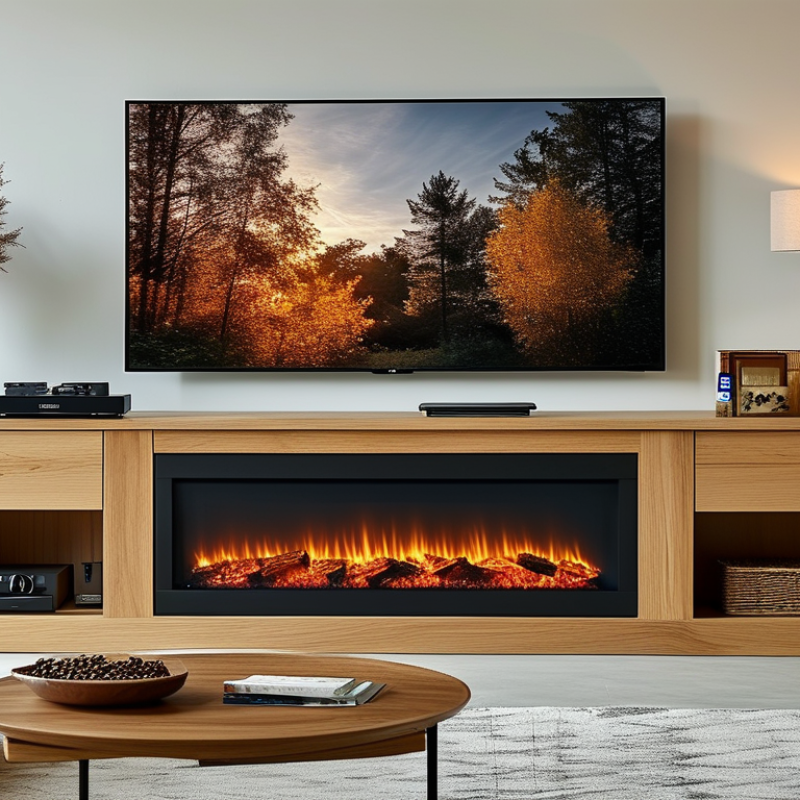
An electric fireplace TV console combines a television stand, enclosed storage, and an electric fireplace insert. It creates a flame-like display through lighting effects, while optional heating warms a defined area. Unlike a traditional fireplace, it needs no wood, chimney, or gas line. The unit usually connects to a household outlet, but the outlet must meet the stated electrical requirements.
Its core features include heat controls, flame brightness settings, and an automatic safety shutoff. Many models let the flame display operate without heat. That matters during warmer months. Adjustable shelves can hold media devices, game systems, or books. Cable openings reduce visible wire clutter. A broad, level top supports a compatible television, while the console keeps the screen at a comfortable viewing height. Always check the weight limit and dimensions before installation.
In practical room planning, clearance deserves more attention than appearance. Keep vents open, avoid placing objects over heat outlets, and leave space around the power cord. A stable floor prevents rocking when doors open. I once underestimated how strongly dark finishes absorb light; a small room felt visually crowded. That detail is easy to miss. These consoles are convenient, but they do not suit every wall or television. Review the electrical rating, anchoring guidance, and local safety requirements before regular use.
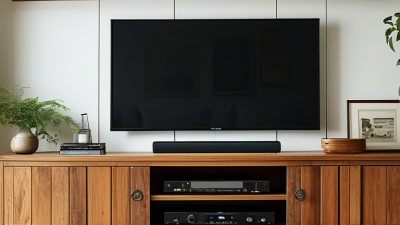
An electric fireplace TV console combines a media cabinet with an electric heating unit. It creates a flame effect without burning wood or producing smoke. Inside, LED lights shine through molded logs or a screen. The moving light patterns imitate glowing embers and flames. The effect can usually operate without heat. That matters during warm evenings.
When heat is selected, electricity warms a metal heating element. A small fan then pushes warm air through a front vent. A thermostat senses room temperature and cycles the heater on or off. Many units offer separate controls for flame brightness, heat level, and operating time. A remote control can adjust these settings from the sofa. The cabinet itself supports a television and stores connected devices, cables, or game equipment.
Clear airflow is essential. Blocking the front vent with books or blankets can reduce performance and create a safety concern. The console should sit on a stable, level surface, with the television placed according to its instructions. In my experience, the heater works best as supplemental warmth near a seating area. It may not warm a large, open room evenly. The flame image also depends on viewing angle and room lighting. It looks convincing in dim light, but less natural in direct sunlight. The first setup is not always perfect. A careful cable check and a few thermostat adjustments usually improve daily use.
| Dimension | What It Means | Typical Information | Why It Matters |
|---|---|---|---|
| Product Definition | A TV console that combines media storage with an integrated electric fireplace insert. | Usually includes a central fireplace display, shelves or cabinets, and a top surface for a television. | It provides furniture, visual ambience, and supplemental heat in one unit. |
| Flame Effect | A visual simulation of flames rather than a real wood or gas fire. | LED lights, reflective surfaces, and molded logs or crystals create the appearance of glowing flames. | The flame effect can typically operate with the heater switched off, allowing year-round use. |
| Heating Method | Electric resistance heating converts electrical energy into heat. | A heating element warms the air, and a built-in fan circulates it into the room. | No combustion, chimney, gas line, or open flame is required. |
| Typical Heat Output | The amount of supplemental heat produced by the insert. | Many North American household models are rated at about 1,500 watts, equivalent to approximately 5,100 BTU per hour. | Actual heating coverage varies with room size, insulation, ceiling height, and outdoor temperature. |
| Temperature Control | Controls how much heat the unit produces. | Common controls include a thermostat, heat-level selection, timer, and separate flame controls. | Independent controls improve comfort and prevent unnecessary heating. |
| Electrical Requirements | The power needed to operate the flame display and heater. | Common 1,500-watt units use a standard 120-volt household outlet and draw about 12.5 amps at maximum heat. | The unit should be connected according to the manufacturer’s electrical instructions and circuit requirements. |
| Installation | How the console is positioned and connected for use. | Most freestanding consoles require assembly, placement on a level surface, and connection to a suitable wall outlet. | Unlike traditional fireplaces, they generally do not require structural renovation or vent installation. |
| TV Support | The console’s ability to support and organize television equipment. | The top surface has a specified maximum weight and size; openings may provide cable routing and media storage. | The television should remain within the furniture’s published size and weight limits. |
| Energy Use | The electricity consumed during operation. | A 1,500-watt heater uses 1.5 kilowatt-hours for each hour of continuous operation at full power; the flame-only mode uses substantially less. | Operating cost depends on local electricity rates, selected heat level, and running time. |
| Safety Features | Built-in measures designed to reduce overheating and unsafe operation. | Common features include overheat protection, a cool-touch viewing area, automatic shutoff, and a child-lock function on some models. | Air openings must remain unobstructed, and combustible items should be kept away from the heater outlet. |
| Maintenance | Routine care needed to keep the unit operating properly. | Dusting the cabinet, cleaning the viewing panel as directed, and keeping the air intake and outlet clear are typically sufficient. | There is no ash removal, chimney sweeping, or fuel replenishment. |
| Primary Benefits | The practical and decorative advantages of the design. | Easy installation, controllable heat, no combustion emissions inside the room, adjustable ambience, and integrated media storage. | It is best suited for supplemental comfort and visual appeal rather than replacing a whole-home heating system. |
An electric fireplace TV console combines media storage with a recessed decorative heater. Its main designs include mantel-style, linear, corner, and floating units. Mantel models create a traditional focal point. Linear designs suit cleaner, contemporary walls. Corner consoles can recover unused floor space, though they may limit screen placement.
Materials affect stability, heat management, and appearance. Engineered wood with laminate is common because it reduces cost and resists everyday scratches. Solid wood feels warmer but needs careful moisture control. Steel frames improve rigidity, while tempered glass shelves provide a lighter visual effect.
The U.S. Energy Information Administration’s 2020 Residential Energy Consumption Survey reported that space heating used 42% of household energy. An electric fireplace console should still serve as supplemental heat, not a whole-home system.
Built-in components usually include LED flame effects, infrared or resistance heating, thermostatic controls, remote operation, and adjustable brightness. Some units also provide cable channels, shelving, and anti-tip hardware.
The National Fire Protection Association reported an average of 44,210 home heating fires annually from 2016 to 2020. That figure covers all heating equipment, not fireplace consoles, but it reinforces the need for clearance and correct installation.
In practice, I would measure the wall, outlet position, and television viewing height before choosing a design. I once underestimated cable depth. It looked tidy, but the plug pressed against the back panel. Small details matter.
What Is an Electric Fireplace TV Console?
Benefits and Limitations for Home Entertainment Spaces
An electric fireplace TV console combines a media cabinet with an integrated electric heating display. It creates a single focal point for a living room. The flame effect can add visual warmth, even when no heat is needed. Many units include shelves, cable openings, and remote controls. This arrangement saves floor space and reduces the need for separate furniture. In smaller apartments, that can make seating areas feel less crowded. Still, the fireplace is usually decorative first, not a replacement for whole-home heating.
Its main benefit is convenience. A console can support a television, organize devices, and provide adjustable ambient heat in one location. Electric models generally avoid smoke, ash, and chimney maintenance. Temperature controls may improve comfort during cool evenings. However, limitations deserve equal attention. The unit needs a suitable outlet and careful clearance around heat vents. A television placed too high may cause neck strain. Heavy screens can also exceed the console’s weight rating. Measure both the wall and viewing distance before purchasing. A stylish fit is not always practical. That mistake is easy.
Tips: Check the maximum load, ventilation space, and electrical requirements. Keep blankets, toys, and paper away from the heater outlet. Use a wall anchor when appropriate for the wall structure. Compare flame brightness at night, because showroom lighting can hide glare. Consider seasonal use, too. You may prefer the look without heat. A simple cardboard layout can reveal whether the screen feels too high.
An electric fireplace TV console combines media storage, television support, and an artificial flame display. It usually uses LED lighting and an internal heater, so no wood, gas, chimney, or ash is required. In my experience, the most useful feature is flexible placement. You can create a warm visual focal point in a living room, bedroom, or apartment without remodeling the wall.
Before choosing one, measure the wall, television, doorway, and available floor space. A console may look compact online but feel oversized in a narrow room. Check the top weight limit and confirm that your television’s base fits securely. Heating capacity matters too. Compare the recommended room size with your actual space, but treat manufacturer estimates carefully. Insulation, ceiling height, and drafts can change performance. The heater should not block ventilation, curtains, or nearby furniture. Also inspect the cord length and outlet position. A loose extension setup can become an unnecessary safety concern. Look for recognized electrical safety certification in your country, clear instructions, and a useful warranty.
Test the viewing height while seated. Keep the screen near eye level. Choose adjustable flame brightness and heat settings for better control. Listen for fan noise before buying, if possible. It may be quiet, but not silent. Secure tall furniture against the wall, especially in homes with children or pets. I once underestimated assembly space, and the console was difficult to turn around afterward. Small planning mistakes matter.