How to Choose the Best Night Stand Wood for Your Bedroom?
Choosing the right night stand wood for your bedroom can significantly impact your space's overall aesthetic. The material you select influences not only the look but also the durability and functionality of the piece. With many options available, it can be overwhelming.
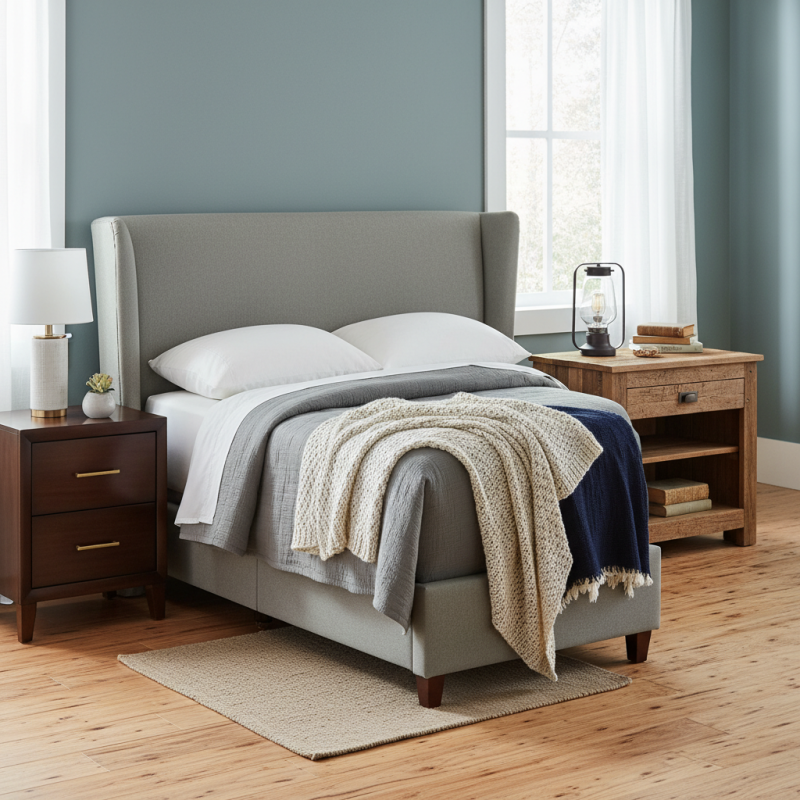
When considering night stand wood, think about your bedroom style. A modern space may benefit from sleek oak or walnut, while a rustic room might suit reclaimed wood. The finish also matters. A glossy finish adds elegance, while a matte surface offers a more casual feel.
Reflect on your needs too. How much storage do you really require? Will you be using it for a lamp or decor? These questions can guide your selection. Remember, choosing the perfect night stand wood is about balancing aesthetics with practicality.
Understanding Different Types of Wood for Night Stands
When selecting wood for a nightstand, understanding the various types is crucial.
Hardwoods like oak and maple offer durability and timeless elegance.
According to a report from the American Hardwood Information Center, 50% of consumers prefer hardwood for its lifespan.
These woods can withstand daily wear and tear, making them a solid investment.
Softwoods like pine and cedar are lighter and more affordable.
Cedar has natural insect-repelling properties. However, it may not tolerate heavy use as well as hardwoods.
Recent studies indicate that though softwoods make up 70% of bedroom furniture, they require more maintenance over time.
Each type of wood has its unique characteristics. For instance, mahogany boasts a rich color but may come at a higher price.
On the other hand, bamboo is eco-friendly and sustainable, gaining popularity among environmentally conscious buyers.
Consider these factors carefully as you choose.
Balancing aesthetics with practicality might be harder than it seems.
Which wood will truly meet your needs?
Assessing the Durability and Maintenance of Night Stand Wood
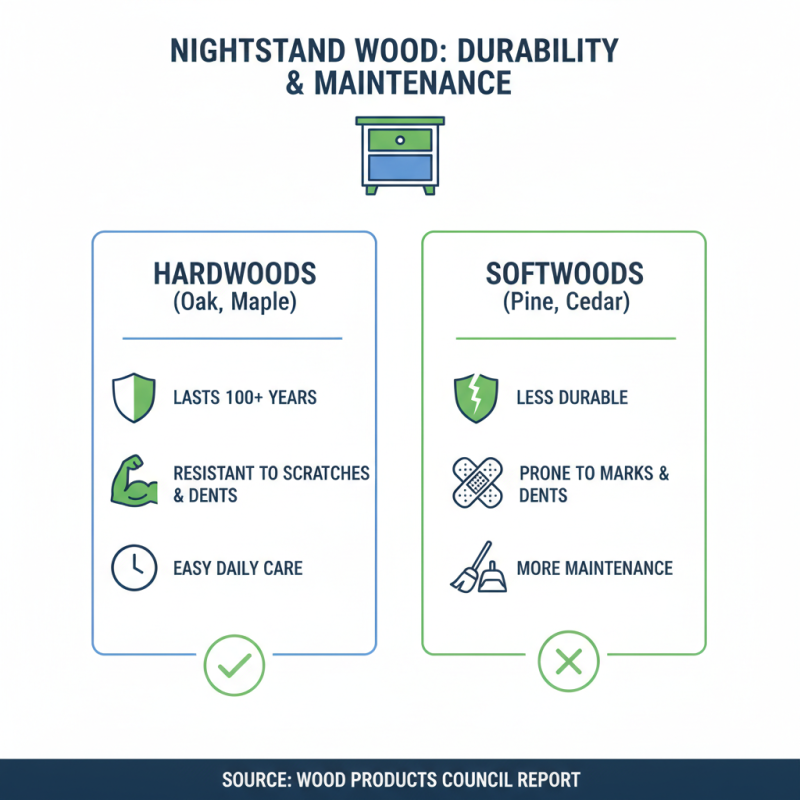
When choosing wood for your nightstand, durability and maintenance are key considerations. Hardwoods like oak and maple often surpass softwoods in longevity. According to a report from the Wood Products Council, hardwoods can last over 100 years with proper care. These woods resist scratches and dents better, making them ideal for daily use in a bedroom setting.
Maintenance requirements vary among different types of wood. For example, oak needs occasional polishing to maintain its luster. Meanwhile, softer woods like pine may require more frequent touch-ups, as they are prone to wear. Regular dusting and avoidance of harsh chemicals can greatly extend the life of your nightstand.
Tips for ensuring longevity:
- Use coasters to prevent water rings.
- Avoid placing hot items directly on the surface.
- Consider applying a protective finish for added resilience.
Evaluating the aesthetics of wood is vital, but neglecting its maintenance needs can lead to premature deterioration. Reflect on how your lifestyle interacts with your furniture's material. Balancing beauty and function often requires compromise.
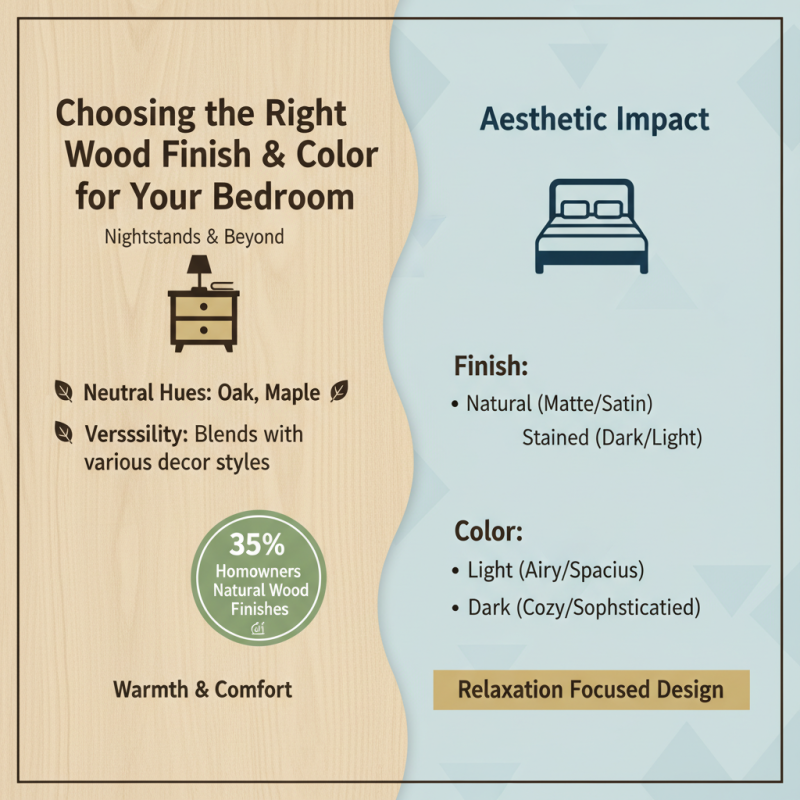
Choosing the Right Finish and Color for Your Bedroom Aesthetic
When selecting wood for your nightstand, consider how the finish and color affect your bedroom's overall aesthetic. Neutral hues like oak and maple offer versatility. They can blend with various decor styles. According to a recent industry report, 35% of homeowners prefer natural wood finishes. This choice promotes warmth and comfort in a space typically reserved for relaxation.
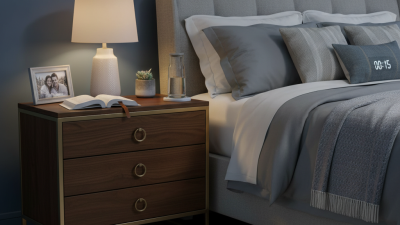
Darker woods like walnut or mahogany provide a bold contrast. They create an elegant atmosphere. Research shows that 25% of consumers feel that a rich, deep color can enhance a room's sophistication. However, darker colors can sometimes feel heavy. It's essential to balance them with lighter elements in your décor.
Reflection on personal taste is crucial. The right finish not only affects aesthetics but also longevity. Matte finishes can provide a modern touch yet may show wear more easily. A glossy finish, while stunning, can sometimes reflect too much light. Evaluating your room's lighting and color palette helps in making an informed decision. Ultimately, the right nightstand wood should enhance your bedroom’s comfort and style while reflecting your unique personality.
Evaluating the Cost and Sustainability of Wood Options
When evaluating wood options for nightstands, cost and sustainability play vital roles. According to the Forest Stewardship Council, sustainable wood sourcing ensures minimal environmental impact. Hardwoods like oak and maple are long-lasting but often come with higher price tags due to slower growth rates. A report from the U.S. Department of Agriculture highlights that sustainable practices can increase wood prices by 10-20% but support ecological balance.
Price isn’t the only factor. Many consumers prefer furniture made from reclaimed wood. This choice not only reduces waste but often yields unique aesthetics. However, reclaimed wood can vary in cost significantly, impacting budget considerations. A study by the American Forest & Paper Association indicates that while newer materials may offer lower prices, they lack the historical character that reclaimed options provide.
Sustainability raises complex questions too. Not all wood marketed as "sustainable" meets strict environmental standards. Consumers often must navigate marketing claims carefully. A decision made without proper research might lead to unintended consequences. Understanding the source and treatment of wood affects both cost and the ecological footprint. Choosing wisely involves balancing personal preferences with responsible purchasing practices.
Selecting the Size and Style of Night Stand for Functionality
Selecting the right size and style for a night stand is crucial for bedroom functionality. A night stand should serve daily needs while enhancing the room's aesthetic. Measure the space beside your bed first. A night stand should be about the same height as the mattress for easy access to essentials. Aim for a width that allows space for a lamp, a book, or a glass of water, without overcrowding the area.
Consider the style of your night stand. It should complement your bedroom’s design. A sleek, modern stand may suit a contemporary decor, while a vintage piece can enhance a traditional atmosphere. Pay attention to materials, too. Wood offers warmth and character. It can differ in color and grain, affecting the overall look. Think about how often you reach for items on the stand. Open shelving can provide easy access, while drawers can keep things tidy. Experiment with combinations; a mismatched look might be appealing. Reflect on what works for you. Each bedroom is unique, and what fits one may not suit another. Trust your instincts, and don’t hesitate to make adjustments as needed.
Wood Type Selection for Night Stands