Top 10 Bedroom Furniture Trends You Should Know?
In recent years, the Bedroom Furniture market has experienced significant shifts. According to a 2023 report by Statista, the global market is projected to reach $200 billion by 2026. This growth reflects changing consumer preferences and innovative designs that are reshaping our living spaces. Individuals now seek functionality and style, impacting how Bedroom Furniture is designed and marketed.
Sustainability has also emerged as a key theme. Many manufacturers now prioritize eco-friendly materials. According to a survey by the National Retail Federation, 73% of consumers prefer brands that showcase sustainability in their Bedroom Furniture. The rise of personalization adds another layer to this industry. Customizable options allow homeowners to create unique pieces that suit their personal style and needs.
Yet, the industry faces challenges. Mixed quality and durability often lead to consumer disappointment. In a landscape full of choices, finding the right balance between aesthetics and practicality becomes crucial. Amid these trends, it's essential to recognize the imperfections. The evolving needs of consumers may not align perfectly with the latest designs, necessitating ongoing adaptation.
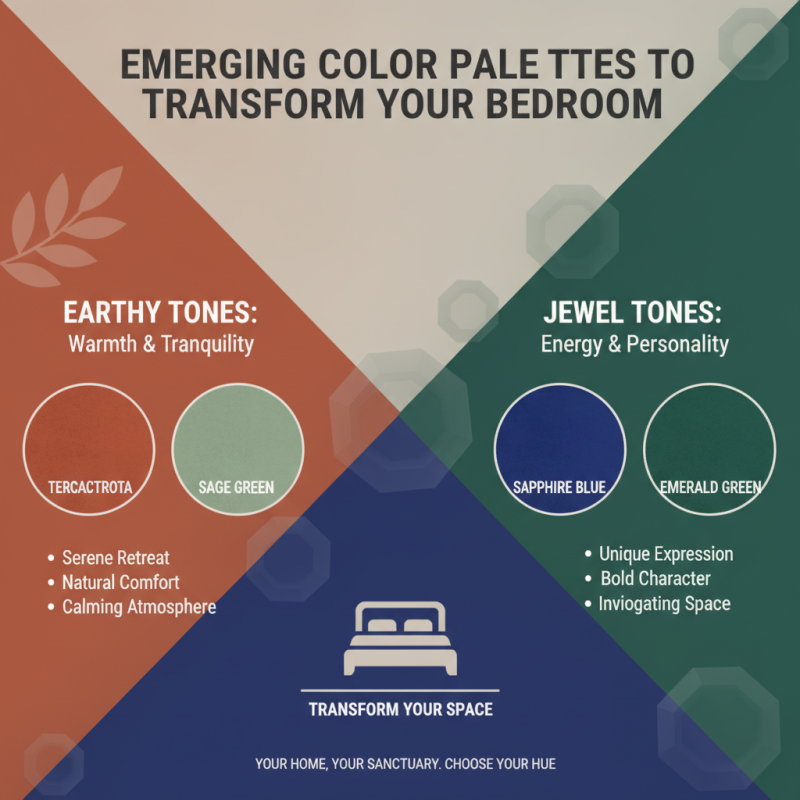
Emerging Color Palettes to Transform Your Bedroom Aesthetic
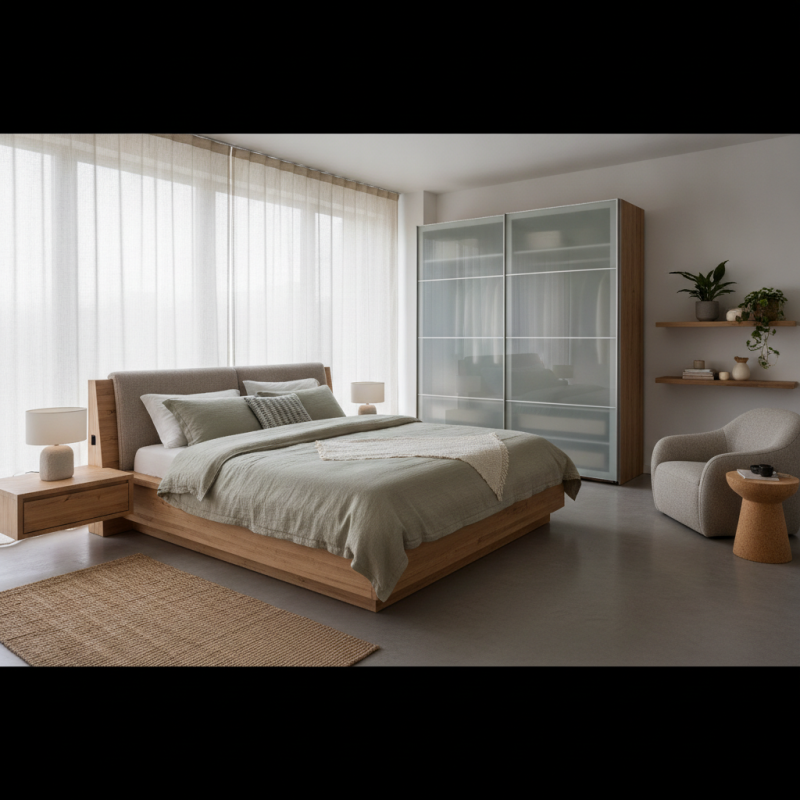
Color plays a vital role in transforming the aesthetic of your bedroom. Emerging palettes can breathe life into your space. Earthy tones, such as terracotta and sage green, are trending. These colors bring warmth and tranquility, creating a serene retreat. On the other hand, vibrant jewel tones can infuse energy and personality, making your room truly unique.
Consider layering different shades within the same palette for depth. Soft beige paired with deep navy can create a striking contrast. Don't be afraid to mix textures. A velvet pillow against a linen duvet can elevate the overall feel. Think about the mood you want to portray. Soft pastels can evoke calmness, while bold colors can inspire creativity.
Tips: Experiment with color swatches before committing. Live with them for a few days. Observe how they change with different lighting. You might find that what seemed vibrant in the store feels overwhelming at home. Always leave room for adjustments. Sometimes, simple tweaks can have the most significant impact on your space.
Sustainable and Eco-Friendly Materials in Bedroom Furniture Design
Sustainable and eco-friendly materials are transforming bedroom furniture design. There’s a growing demand for furniture made from renewable resources. Bamboo, reclaimed wood, and organic textiles are popular choices. These materials not only reduce environmental impact but also create a warm and inviting space.
When selecting furniture, consider the lifecycle of materials. Look for pieces that last longer and require less maintenance. Check if wood is sourced from sustainable forests. Investing in such items can minimize your carbon footprint. Remember, quality often trumps quantity.
Tip: Use natural finishes instead of synthetic ones. These finishes are healthier and safer for your home. Also, think about multi-functional furniture. This could mean a bed with built-in storage, which helps save space and resources. Embrace the idea of simplicity. A minimalistic approach can lead to a more peaceful environment.
Multi-Functional Furniture for Space Optimization in Bedrooms
In today’s compact living spaces, multi-functional furniture is becoming essential for optimizing bedroom layouts. Reports show that 55% of homeowners seek versatile solutions. Furniture that serves multiple purposes can enhance both functionality and aesthetics.
Consider a bed with built-in storage. This approach not only maximizes under-bed space but also keeps items organized. A recent survey found that 70% of small-space residents prefer furniture that minimizes clutter. Wall-mounted desks or foldable tables can create flexible workspaces when needed, then disappear, conserving valuable floor space.
However, there's a challenge. Not all multi-functional designs are user-friendly. Some users report frustration with complexity. Elements like hidden compartments may be hard to access or require extra steps to use effectively. In some cases, stylish multi-functional pieces compromise comfort. Thus, while the trend towards practical solutions is strong, finding the right balance remains crucial.
Incorporating Smart Technology into Bedroom Furniture Solutions
Smart technology is revolutionizing the bedroom furniture landscape. Sleek designs now integrate tech seamlessly. Imagine a bed that can adjust its firmness at the touch of a button. Or a nightstand that wirelessly charges your devices while you sleep. These innovations create a more comfortable and connected space.
Lighting solutions have also evolved. Smart lamps allow users to control brightness and color. You can set the mood for relaxation or energize your morning routine. Sensors can even adjust the light based on natural daylight. However, the balance between convenience and over-reliance on technology is worth considering.
While smart furniture offers many benefits, it can present challenges. Not all users may feel comfortable with integrated tech. Some may prefer traditional choices. Ensuring reliability and ease of use is crucial. After all, a bedroom should be a sanctuary, not a source of stress.
Timeless Vintage Styles Making a Comeback in Bedroom Interiors
Vintage styles are experiencing a remarkable revival in bedroom interiors. The National Home Furnishings Association reported that vintage furniture sales increased by 30% over the past year. This trend indicates a strong desire for unique pieces that tell a story. Many homeowners are now prioritizing character over mass-produced items.
Timeless designs, such as mid-century modern and Art Deco, are particularly popular. These styles feature clean lines and elegant details. Many consumers appreciate the craftsmanship that vintage furniture offers, often made from durable materials. However, sourcing authentic pieces can be challenging. Buyers sometimes face issues of quality and authenticity when shopping at flea markets or online platforms.
Repurposing vintage items is also gaining traction. Individuals are painting or reupholstering old furniture to fit contemporary aesthetics. This creative process can be rewarding but demands a level of skill and patience. It's not uncommon to make mistakes along the way. Nevertheless, this trend showcases how vintage styles can seamlessly blend into modern homes while retaining their distinctive charm.
Top 10 Bedroom Furniture Trends You Should Know