2026 Best Minimalist Center Table Trends for Global Buyers?
In the evolving landscape of interior design, the "Minimalist Center Table" stands out as a pivotal element. Renowned designer Angela Wu emphasizes, "A well-designed minimalist table unifies the space, bringing harmony to simplicity." This insight reflects the ongoing trend towards minimalism in home decor, where less truly becomes more.
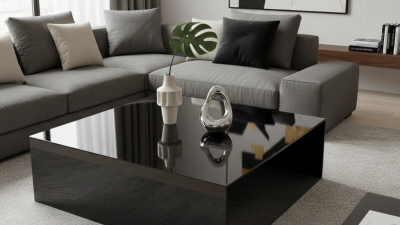
As global buyers seek to declutter and create serene environments, minimalist center tables offer both functionality and artistry. These pieces often feature clean lines, natural materials, and subtle shades. They serve not only as surfaces for everyday use but also as focal points that can anchor a room.
Yet, amid these trends, it's essential to recognize that minimalism isn't one-size-fits-all. Some might struggle with the balance between simplicity and personal expression. Carefully choosing the right "Minimalist Center Table" can lead to a discovery of what truly resonates within a space, prompting reflection on individual style and practicality.
2026 Overview of Minimalist Center Table Trends Worldwide
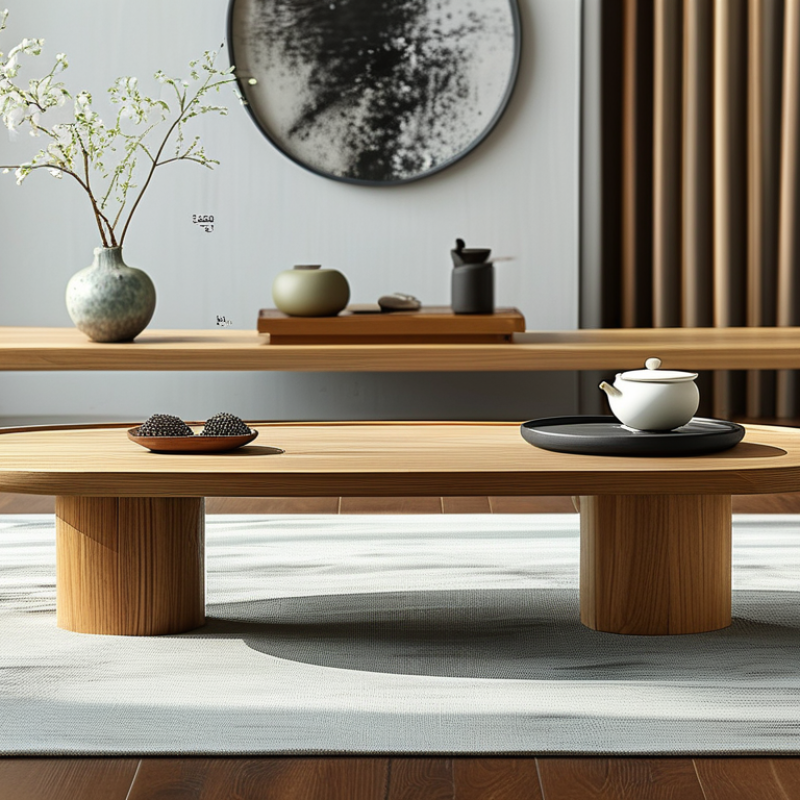
Minimalist center tables are gaining traction worldwide. Their sleek designs are appealing to many buyers. In 2026, we see more natural materials incorporated into these tables. Wood, stone, and metal create a harmonious balance. These materials add warmth and texture, transforming any living space.
Functionality is key in minimalist design. You will find tables with hidden storage. This is perfect for small spaces. Some tables even feature modular designs, adapting to different needs. However, the focus on aesthetics sometimes sacrifices comfort. It’s a delicate balance that needs careful consideration.
Eco-friendly designs are becoming the norm. Buyers are more aware of sustainability, pushing brands to innovate. Recycled materials are now popular choices. This trend raises questions about durability versus environmental impact. As manufacturers shift, keeping quality at the forefront is crucial. How they achieve this remains to be seen.
2026 Best Minimalist Center Table Trends for Global Buyers
| Trend |
Description |
Materials |
Color Palette |
Price Range (USD) |
| Natural Wood Finish |
Tables featuring raw, natural wood textures, enhancing the organic feel. |
Natural wood (oak, walnut) |
Earth tones, muted greens |
300 - 800 |
| Geometric Shapes |
Innovative designs featuring triangles, circles, and asymmetrical forms. |
Metal, glass |
Black, white, monochrome |
250 - 600 |
| Multi-Functional |
Tables that serve dual purposes, such as storage or convertible designs. |
Plywood, metal |
Soft pastels, light greys |
400 - 900 |
| Transparent Elements |
Incorporating glass or acrylic components for a light, airy feel. |
Glass, acrylic |
Clear, frosted |
200 - 500 |
| Sustainable Materials |
Focus on eco-friendly materials without compromising style. |
Recycled wood, bamboo |
Natural hues, earthy colors |
350 - 700 |
Key Features of Minimalist Center Tables for Modern Homes
In modern homes, minimalist center tables have become a focal point. Their clean lines and simple designs make them appealing. Key features include versatility, durability, and functionality. A minimalist table often serves multiple purposes, blending into various decor styles.
Consider the materials. Natural wood and metals offer both beauty and strength. Look for designs that are lightweight yet stable. A well-chosen color can enhance the room's ambiance. Neutral shades often work best. They create an inviting atmosphere without overwhelming the space.
When selecting a minimalist center table, think about your needs. How will you use it? A table meant for casual gatherings may need a different shape than one intended for a quiet reading nook. Ensure it fits comfortably within the space. A common mistake is choosing a table that’s too large or too small. Always measure first before making a decision.
Popular Materials and Finishes for Minimalist Center Tables
When exploring minimalist center tables, the choice of materials and finishes plays a crucial role in achieving a clean aesthetic.
Natural wood, such as oak or walnut, adds warmth and character. It creates a cozy contrast to sleek lines.
Glass is another popular option, offering an illusion of space.
A tempered glass top can enhance the lightness of a room.
Metal accents, like steel or brass, provide a modern touch, balancing the warmth of wood.
Tips: Consider textures. Mixing materials can elevate design.
A wooden base with a glass top can be striking.
It’s important to think about finishes as well.
Matte and satin finishes offer a subtle look.
They can hide fingerprints, making maintenance easier.
Glossy finishes, while eye-catching, may require more care to prevent scratches.
Reflect on how you use your space. An overly polished table might feel cold in a home.
Tips: Test samples before making a final choice.
Sometimes, what looks good online may not suit your reality.
Focus on practicality and style.
Create a harmonious environment with your center table choices.
Color Palettes and Design Influences in Minimalist Center Tables
Minimalist center tables are evolving. The color palettes influencing their design reflect a blend of simplicity and elegance. Soft earth tones, muted pastels, and monochromatic schemes dominate the scene. These hues create a serene atmosphere, making minimalist spaces feel inviting. The interplay between light and dark adds depth, inviting reflection.
When choosing a color palette, consider the room's overall vibe. Warm tones create intimacy while cool tones promote calm. Balance is key. A splash of color can invigorate a dull area. However, too many colors can overwhelm the senses. Aim for harmony rather than chaos in your selections.
Textures also play a vital role. Smooth finishes contrast beautifully with rough surfaces. Natural materials like wood and stone emphasize minimalism's connection to nature. These choices bring warmth and authenticity to the design. Reflect on how you want the table to interact with your space. Practicality matters too; find a style that suits your lifestyle. Choose designs that aren’t just visually appealing but also functional.
Top Manufacturers and Brands Leading Minimalist Center Table Trends
As minimalist design continues to gain popularity, several manufacturers and brands are at the forefront of this trend. Many emphasize simplicity with clean lines and neutral colors. The essence of minimalism is not just aesthetic; it promotes a sense of calm and spaciousness. Some brands showcase tables made from sustainable materials, reflecting environmental consciousness in design.
In 2026, the best minimalist center tables will feature innovative structures. Consider tables with geometric shapes or asymmetrical designs, often inviting visual interest while maintaining a sleek profile. Other manufacturers are exploring multifunctional designs, providing storage solutions without compromising style. However, the challenge lies in balancing form and function. A piece may look stunning yet lack practicality for everyday use.
Recent market analysis shows an increasing demand for customizable options. Buyers seek pieces that fit their unique spaces. However, with many choices, it can be overwhelming to find the perfect table. Minimalist designs must resonate personally while aligning with one’s lifestyle. The journey to find the ideal minimalist center table invites both joy and contemplation.